
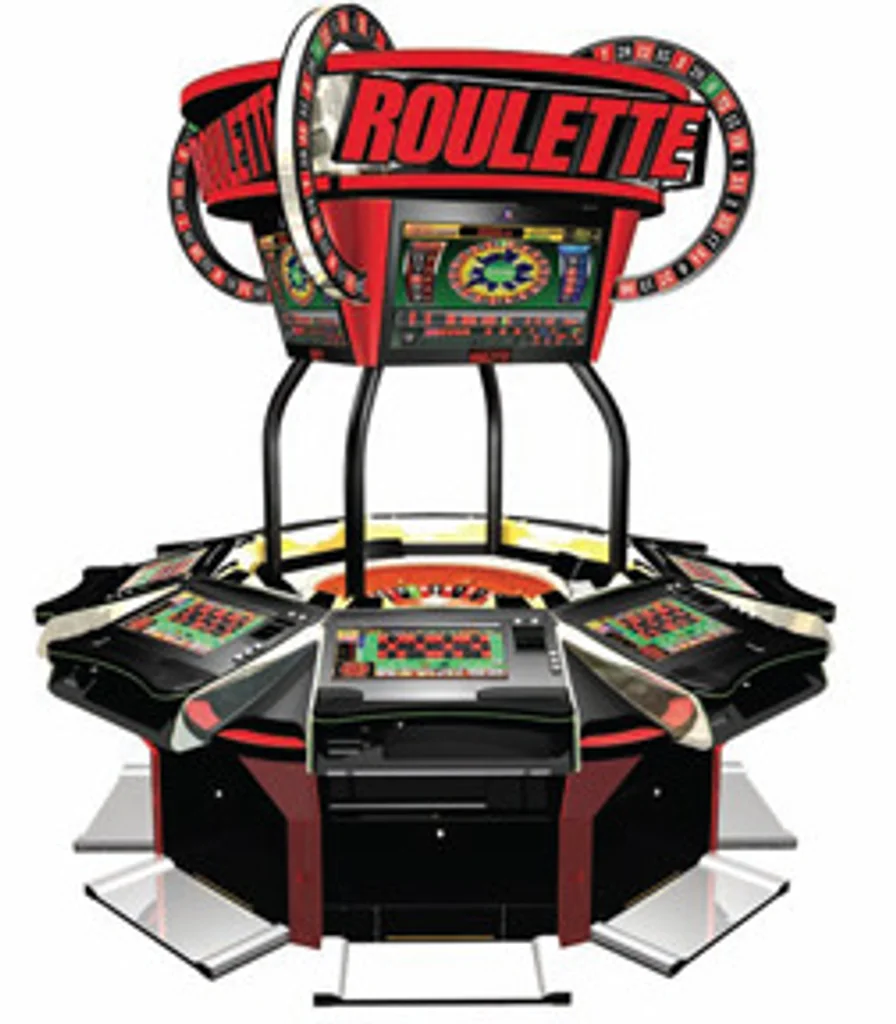
Remember the first time you saw a roulette wheel spin online? It felt… a little fake, right? A digital ball, a pixelated table, and zero soul. That was the early 2000s. Fast forward to today, and live dealer roulette is a completely different beast. Honestly, it’s almost eerie how real it feels now.
Let’s rewind a bit. The journey from basic RNG (random number generator) games to high-definition, multi-camera live streams is a story of tech breakthroughs and obsessive user experience tweaks. And it’s not just about the tech — it’s about how we feel when we play. That’s the real magic.
From grainy streams to 4K immersion
In the beginning, live dealer games were clunky. Think grainy video feeds, laggy audio, and dealers who looked like they’d rather be anywhere else. The user experience? Let’s just say it wasn’t exactly “smooth sailing.” You’d place a bet, hold your breath, and pray the stream didn’t freeze mid-spin.
But then came fiber optics and 5G. Suddenly, latency dropped. Streams went from 480p to 1080p, then 4K. Now, you can see the subtle wear on the roulette wheel’s frets — the little scratches that make it feel authentic. It’s like you’re leaning over the table in Monte Carlo, minus the tuxedo.
One of the biggest leaps? Multi-angle camera setups. You’ve got the overhead view for the wheel, a close-up for the ball drop, and a wide shot of the dealer. Some studios even use robotic arms to follow the action. It’s cinematic, sure, but it also solves a real pain point: trust. You can see the ball land, no tricks.
The quiet revolution of optical recognition
Here’s where it gets nerdy — but stay with me. Optical character recognition (OCR) is the unsung hero. Cameras scan the wheel and ball in real-time, translating physical motion into digital data. That number you see pop up on your screen? It’s not typed by a human. It’s read by software, instantly. This tech is what makes live dealer games feel seamless — no awkward delays while the dealer squints at the wheel.
Without OCR, you’d be waiting five seconds for every result. Now? It’s near-instant. That’s a user experience win that players rarely notice — and that’s exactly the point.
User experience design: more than just a pretty interface
Let’s talk about the interface itself. Early live dealer games were ugly. I mean, really ugly. Clunky buttons, weird color schemes, and betting menus that felt like a tax form. Designers didn’t think about flow — they just threw features at the wall.
Today? It’s a whole different story. UX designers obsess over every pixel. The betting layout mirrors a physical table, but with digital perks. You can save favorite bets, see your history, and even chat with the dealer. It’s intuitive — almost second nature.
One clever trick? “Neon” or high-contrast themes. They reduce eye strain during long sessions. Another? Haptic feedback on mobile — a tiny vibration when you place a bet. It’s subtle, but it grounds you in the action. You feel it, not just see it.
Mobile-first? More like mobile-only
Here’s the deal: most players now use phones. So designers had to rethink everything. Buttons had to be thumb-friendly. The video feed had to shrink without losing clarity. And the chat? It had to be quick to type, but not intrusive.
Some studios even introduced portrait mode for roulette — a landscape game in a vertical screen. Sounds weird, but it works. The wheel sits at the top, your bets at the bottom. No scrolling, no zooming. It’s like the game was built for your hand.
That said… not every design choice is perfect. Sometimes the chat box overlaps the betting area. Or the “clear bet” button is too small. These are tiny frustrations, but they add up. The best platforms test relentlessly, fixing these quirks before they become dealbreakers.
Social features: the human touch in a digital world
Roulette is social by nature — that’s why people love land-based casinos. The banter, the collective gasp when the ball lands on 00. Live dealer tech tries to replicate this. And honestly, it’s getting close.
You’ve got live chat with the dealer, sure. But now there’s multi-player tables where you can see other players’ bets (anonymously, of course). Some platforms even let you send virtual gifts or emojis. It’s cheesy, but it works — it breaks the isolation of solo gaming.
Then there’s the “game show” trend. Studios like Evolution Gaming have turned roulette into a spectacle. Think lightning rounds, multipliers, and hosts who crack jokes. It’s not traditional roulette — it’s a hybrid. And players love it. The tech behind it? Complex. The experience? Pure dopamine.
Personalization: the next frontier
Imagine a roulette table that remembers your favorite bets. Or one that adjusts the camera angle based on your viewing habits. That’s where we’re heading. Some platforms already use AI-driven recommendations — “Hey, you usually bet on red… want to try a split bet?” It’s not pushy, just helpful.
Personalization also extends to language and currency. A player in Japan sees the dealer speaking Japanese, with yen displayed. A player in Brazil sees Portuguese and reais. It sounds simple, but it’s a massive UX win. You feel seen, not like a number in a global queue.
What’s next? A peek at the crystal ball
Alright, let’s get speculative. Virtual reality (VR) is the obvious next step. We’ve seen early attempts — clunky headsets, limited interaction. But as VR hardware gets lighter and cheaper, live dealer roulette could become a full-blown simulation. You’d walk up to a table, pull out a virtual chair, and hear the chips clatter.
Then there’s augmented reality (AR). Imagine pointing your phone at your coffee table and seeing a roulette wheel appear. You spin it with a swipe. The dealer? She’s a hologram in your living room. Creepy? Maybe. Cool? Definitely.
But honestly, the biggest evolution might be invisible. Better data compression means smoother streams on slower connections. Blockchain integration could add provable fairness — every spin recorded, immutable. That’s trust, built into the code.
One thing’s for sure: the line between physical and digital will blur even more. You won’t “play” live roulette. You’ll be there.
Wrapping it up (without the bow)
So here’s the takeaway. Live dealer roulette technology isn’t just about better cameras or faster streams. It’s about removing barriers — between you and the game, between you and the dealer, between you and that rush of the ball dropping. Every UX tweak, every camera angle, every haptic buzz is designed to make you forget you’re staring at a screen.
And that’s the real evolution. Not just a better product, but a better feeling. A feeling that’s almost… human.
Sure, the tech will keep changing. But the goal stays the same: to make a digital wheel feel as real as the one in your favorite casino. And honestly? We’re almost there.
That’s the story. No big sales pitch, no “try it now.” Just a look at how far we’ve come — and where we’re spinning next.
